
Exploring the Future of Interaction: Digital Humans and AI Avatars
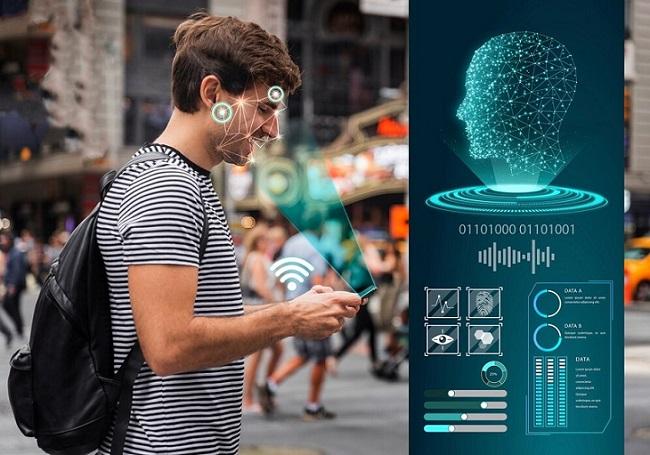
Introduction to Digital Humans and AI Avatars
Digital humans and AI avatars are sophisticated virtual entities designed to mimic human appearance, behavior, and interactions. These digital constructs leverage advanced artificial intelligence, machine learning, and computer graphics to create lifelike representations that can communicate seamlessly with humans. They are used across various industries including customer service, education, entertainment, and healthcare. These AI-powered entities can understand natural language, recognize emotions, and adapt their responses based on user interactions. As technology advances, digital humans are becoming increasingly realistic, blurring the line between virtual and real-world interactions. Their ability to provide personalized experiences makes them valuable tools for businesses aiming to enhance customer engagement. The development of digital humans is a step toward creating more immersive virtual environments and redefining digital communication.
Technology Behind Digital Humans and AI Avatars
The creation of digital humans relies on a combination of cutting-edge technologies such as deep learning, natural language processing, and 3D modeling. Deep learning algorithms enable AI avatars to interpret and generate human-like responses, making interactions more natural. Natural language processing allows digital humans to understand context, emotions, and nuances in conversations, enhancing their realism. 3D modeling and animation craft detailed, expressive virtual appearances that mirror human features. Speech synthesis and recognition enable seamless verbal communication, while emotion recognition helps avatars respond empathetically. Cloud computing and data storage support the processing power needed for real-time interactions. These technological elements work together to produce digital humans that are increasingly realistic, responsive, and capable of engaging users in meaningful ways, transforming digital communication and interaction.
Applications of Digital Humans in Various Industries
Digital humans and AI avatars are transforming numerous industries by providing innovative solutions to traditional challenges. In customer service, they handle inquiries 24/7, reducing wait times and increasing satisfaction. In healthcare, they serve as virtual assistants, guiding patients through diagnosis, treatment, and mental health support. Education benefits from virtual tutors that offer personalized learning experiences, adapting to students' needs. The entertainment industry uses digital humans for virtual influencers, gaming characters, and immersive storytelling. Retailers deploy AI avatars for personalized shopping assistance, boosting sales and customer loyalty. Additionally, digital humans are used in training simulations for military, corporate, and medical fields, providing realistic practice environments. Their versatility and adaptability make them invaluable tools for enhancing efficiency, engagement, and personalization across sectors.
Ethical Considerations and Challenges of Digital Human Technology
While digital humans offer numerous benefits, they also pose ethical challenges that require careful consideration. Privacy concerns arise from extensive data collection needed for realistic interactions, risking misuse or data breaches. There is also the potential for deception if digital humans are used to impersonate real people without transparency, leading to issues of trust and authenticity. Bias in AI algorithms can result in unfair treatment or misrepresentation, especially for minority groups. Furthermore, reliance on digital humans might impact employment, reducing opportunities for human workers in customer service and other roles. Regulatory frameworks and ethical guidelines are essential to ensure responsible development and deployment. Transparency, data security, and inclusivity should be prioritized to harness the benefits of digital humans while minimizing risks and safeguarding human values.
Future Trends and Innovations in Digital Human Technology
The future of digital humans is poised for remarkable advancements driven by emerging technologies. We can expect even more realistic and emotionally intelligent avatars capable of nuanced interactions that mimic genuine human empathy. Augmented reality (AR) and virtual reality (VR) integration will create immersive experiences where digital humans coexist seamlessly with the physical world. Advances in emotional AI will enable digital humans to detect subtle emotional cues, enhancing personalized responses. Blockchain technology may ensure secure and transparent data management. Additionally, adaptive learning algorithms will allow digital humans to evolve based on user interactions, providing increasingly tailored experiences. Ethical AI development and regulations will play a key role in shaping responsible innovation. These trends will expand digital human applications, making virtual interactions more natural, engaging, and integral to daily life, transforming how humans connect in a digital age.
Source: https://www.marketresearchfuture.com/reports/digital-human-ai-avatars-market-12224

 English
 Arabic
 French
 Portuguese
 Deutsch
 Turkish
 Dutch
Dutch
 Italiano
 Russian
 Romaian
 Portuguese (Brazil)
 Greek
Greek